Pregnant With a Cat: The Litter Box and What's Safe
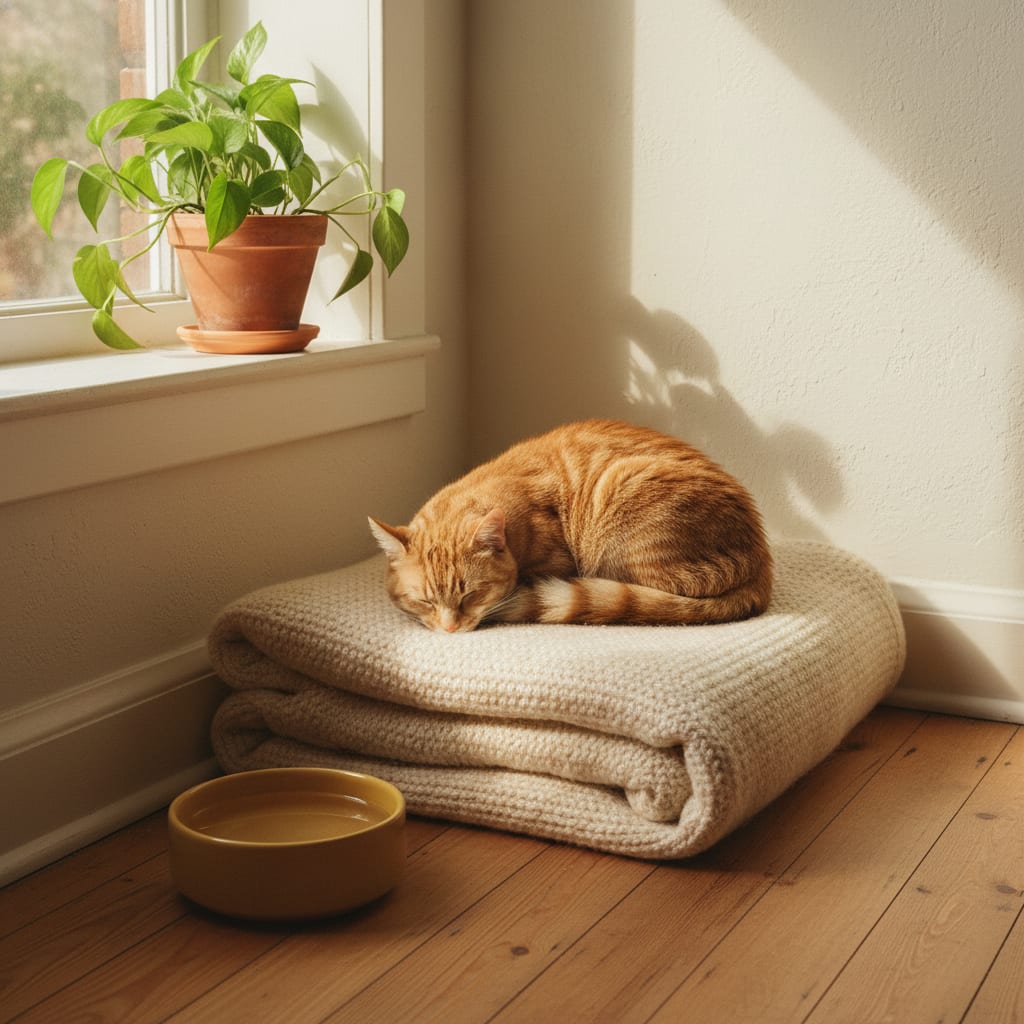
You don’t have to give up your cat when you’re pregnant, but you should hand the litter box to someone else if you can. The CDC’s advice is direct: “If possible, have someone else change cat litter.” If nobody else can, “wear disposable gloves and wash your hands with soap and water afterwards”, and change it every day, because the parasite behind toxoplasmosis isn’t infectious until one to five days after the cat passes it. Keep your cat indoors, feed it commercial food, and don’t take on a new cat or a stray. And the NHS’s reassurance is worth hearing: you can’t catch toxoplasmosis “from stroking a cat, having a cat as a pet”.
Where this post stops
I’m pregnant with my second and I’m not a doctor or a vet. This post covers the litter box, the cat and the house. It doesn’t cover testing or treatment. If you’re worried about toxoplasmosis, ask your OB or midwife about it; that’s the right next step, not a search engine.
Why the litter box is the issue
Toxoplasmosis is an infection caused by a parasite. The CDC’s overview of toxoplasmosis says “cats play a key role in the spread”, and one route is “accidentally consuming the parasite through contact with cat feces”. That’s what makes the litter box the job to give away.
Why it matters in pregnancy: the CDC’s page on who is at increased risk says the concern is getting infected for the first time while pregnant, or just before. It also says “you may not have symptoms from the infection”, and that most infected babies have no symptoms at birth but can develop them later. The NHS’s toxoplasmosis page says it is “usually harmless” for most people, but can cause serious problems if you get it while pregnant.
None of that means your cat is a hazard. It means the cat’s waste is the one part of cat ownership to step back from for a while.
Hand it off first
Delegation is the CDC’s first choice, so start there.
- Pick one person and make it their job, not a favour. A partner, a teenager in the house, a roommate, a neighbour who already has cats.
- Make it daily. The CDC’s prevention page explains why: the parasite “does not become infectious until 1 – 5 days after a cat shed it”, so “by cleaning the litter box every day, you remove the feces before they become infectious.”
- Move the box if it helps. If the box lives somewhere you walk past or clean around, move it to wherever the person doing the job finds easiest.
This pairs well with the rest of the boring pre-baby admin. The same person can keep the job through the newborn weeks, when you’ll have your hands full anyway.
If you have to do it yourself
Sometimes there’s no one else, especially if you live alone or your partner travels. Then follow the CDC’s fallback:
- Wear disposable gloves. A box of nitrile gloves such as MedPride powder-free nitrile gloves by the litter box makes it a habit rather than a decision.
- Wash your hands with soap and water afterwards, even with gloves.
- Scoop every day, for the reason above.
MotherToBaby’s toxoplasmosis fact sheet says the same thing in one line: “Do not touch cat feces directly; wear gloves if you change cat litter & immediately wash hands.”
The rest of the cat
The litter box gets the attention, but the CDC and NHS also cover the cat’s habits:
- Keep your cat indoors. The CDC says this stops it hunting other animals and “will reduce your cat’s chances of becoming infected”.
- Feed commercial dry or canned food. Both the CDC and NHS say not to feed cats raw or undercooked meat.
- No new cats for now. The CDC says “Do not get a new cat while you are pregnant” and not to adopt or handle stray cats, “especially kittens”.
- Wear gloves in the garden. Soil and sandboxes can hold cat feces too. The CDC says to wear gloves when gardening or touching soil or sand, to wash your hands afterwards and to cover outdoor sandboxes.
The other main route the CDC names is undercooked meat and unwashed produce. That’s a food conversation, and your OB or midwife is the person to have it with.
Getting your cat ready for the baby
It’s the same job as preparing a dog for the baby, just quieter. Vetstreet’s guide to preparing a cat for a new baby covers the essentials:
- Book a vet check well before the due date, with vaccines and parasite protection up to date. Sort out any litter box or aggression problems now, not with a newborn in the house.
- Wind down the extra attention. The guide says the big mistake is giving a cat more attention in the months before the baby, which makes the drop afterwards harder. Bring in food puzzles and toys it can use alone, and keep a couple of short play sessions a day.
- Let it explore the nursery, but not settle in. Keep soft bedding out of the crib and give the cat its own bed and high spots to rest.
- Keep the cat out of the baby’s sleep space. The guide calls the old idea that cats “suck the air” out of a baby a myth, but says a cat may want to cuddle next to a sleeping baby, which can be dangerous. A closed door or a screen door does the job. The sleep space itself should be bare, as set out in the newborn sleep space setup.
- Play baby sounds quietly while the cat gets a treat, and turn the volume up slowly over days.
Call your OB or midwife if…
- you think you’ve had contact with cat feces or soil without gloves and you’re worried. Ask about toxoplasmosis.
- you have flu-like symptoms such as a high temperature, aches, swollen glands or tiredness. The NHS says to get urgent advice if you’re pregnant and have any symptoms of toxoplasmosis.
- you have blurred vision or trouble walking. Those are on the NHS’s urgent list too.
- you’re unsure whether your own situation needs anything beyond the steps above.
FAQ
Can I keep my cat while I’m pregnant?
Yes. The NHS says you can’t catch toxoplasmosis from stroking a cat or having one as a pet. The precautions are about the litter, the garden and the cat’s food, not about the cat itself.
Can I clean the litter box while pregnant if I wear gloves?
The CDC’s first choice is that someone else does it. If no one else can, it says to wear disposable gloves and wash your hands with soap and water afterwards. Scoop daily.
Why does the litter need changing every day?
The CDC says the parasite isn’t infectious until 1 to 5 days after the cat passes it, so daily cleaning removes it before it becomes a risk.
Should I get a kitten before the baby comes?
Not while you’re pregnant. The CDC says not to get a new cat during pregnancy and to avoid stray cats, especially kittens.