Can You Paint While Pregnant? The Nursery Rules
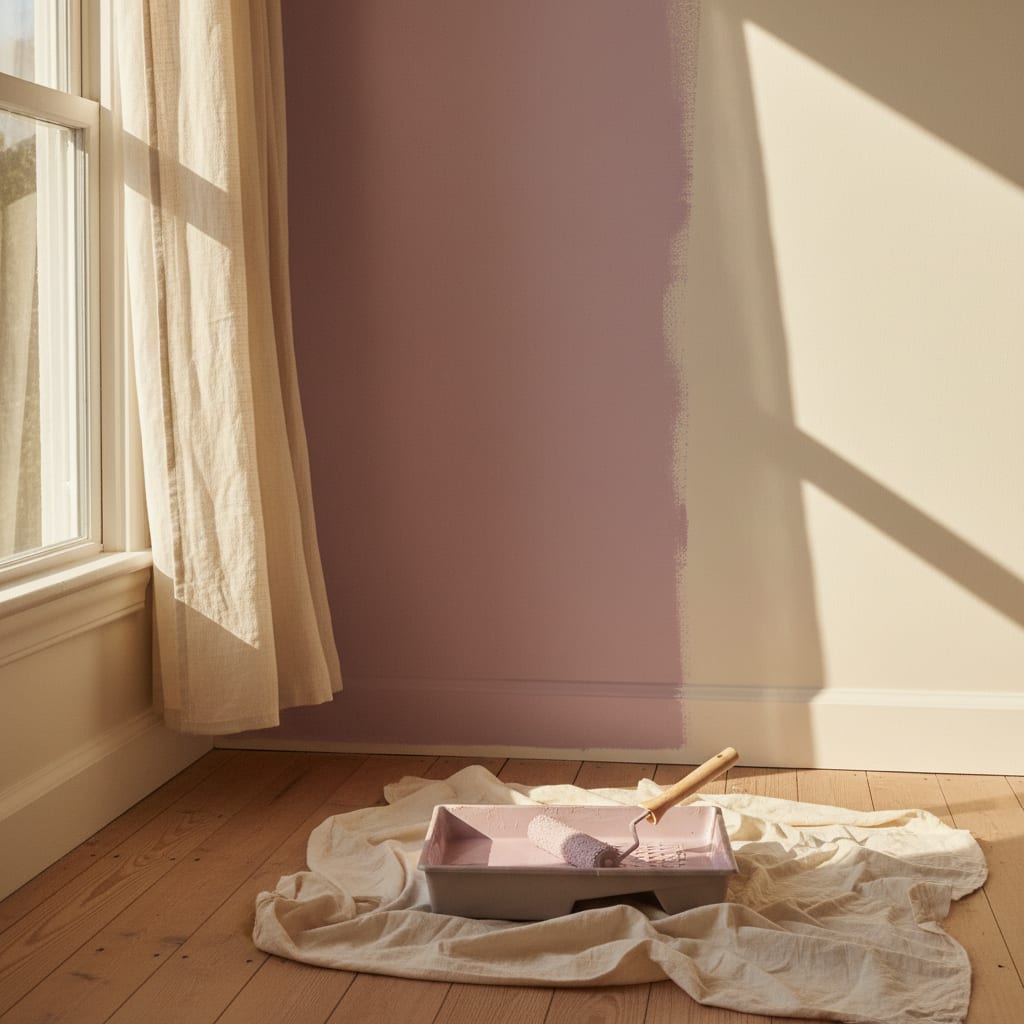
Yes, you can usually paint while pregnant, with precautions. MotherToBaby, the pregnancy-exposure service run by teratology specialists, says in its paint fact sheet that household painting “with proper safety precautions is expected to result in a low level of exposure”. That means open windows, gloves, long sleeves and breaks. The one hard line is old paint. If your home was built before 1978, the paint underneath may contain lead, and MotherToBaby is blunt: “Women who are pregnant should not remove old paint.” No scraping, no sanding. Its first suggestion, though, is the simplest: consider having someone else do the painting.
Where this post stops
This is the before-baby side: painting the room while you’re pregnant. How long to air the room afterwards before the baby sleeps in it, and how to reset a bedtime the redecorating upset, is Modern Mommy Blog’s painted-nursery post. I’m not a doctor. If you have a specific worry, or you paint for work, take it to your OB or midwife.
What the evidence actually says
MotherToBaby’s fact sheet is the most useful single source here, because it deals with ordinary household painting rather than worst cases. The key lines:
- Miscarriage: household painting with proper precautions “is not likely to increase the chance of miscarriage”.
- Birth defects: “It is not known if paint exposure can increase the chance of birth defects.” But household painting with precautions is “not likely” to increase that chance either.
- Other problems: whether paint affects things like preterm birth or birth weight is “not known”.
- The scary stories: the older reports of harm involved women deliberately inhaling toluene-containing paint to get high. MotherToBaby says that was “a much higher exposure” than painting a room at home.
So the honest summary is “low risk, with gaps in the research”. That’s why the precautions are worth doing anyway.
Know your paint
MotherToBaby splits paint into two broad types:
- Latex paints are water-based and clean up with soap and water. “Most household paints are latex, vinyl, or acrylic compounds.”
- Oil paints (oil or alkyd based) need thinners like turpentine or mineral spirits, and are sometimes used for trim around doors.
For a nursery wall, you’ll almost certainly be using an indoor latex or acrylic paint. If the trim needs oil-based paint and thinner, that’s a good job to hand to someone else.
MotherToBaby also makes a point that’s easy to miss: “Smell is not a good measure of the level of exposure.” A low-odour paint can still release fumes, so ventilate whatever the label says.
The lead rule (the one that matters most)
Old paint is where the real risk sits. The EPA’s page on reducing lead exposure at home explains that if your home was built before 1978, “it is more likely to have lead-based paint”. That’s the year the federal government banned it for use in homes. It also says renovation or repair that disturbs painted surfaces in older homes “may create large amounts of lead dust”, and that “projects that create even a small amount of dust can pose health risks”.
What that means for a nursery project:
- Find out when your home was built. It’s the first step on the EPA’s own list.
- Don’t scrape, sand or burn old paint yourself. MotherToBaby says these put “higher concentrations of heavy metals (like lead), solvents, and other chemicals into the air”.
- Be careful even if you’re just painting over it. “Be careful of exposure even if you are not preparing the walls. The dust you inhale might contain lead.”
- If old paint has to come off, have it done by someone certified in lead removal, and stay away until the job is finished and the area is properly cleaned. The EPA points to hiring “a lead-safe certified contractor” for renovation in pre-1978 homes.
If you rent, the EPA says your landlord must follow its lead-safe rules when they do work that disturbs paint.
How to paint safely if you’re doing it
MotherToBaby’s list, in order:
- Use the right paint for the job, for example indoor paint for an indoor room.
- Read the label and follow its instructions for painting, cleaning up and storage.
- Ventilate. Work with windows and doors open. MotherToBaby suggests using “fans in windows to help the air move”. A basic box fan like the Amazon Basics 20-inch box fan, set in an open window, does that job.
- Keep airing it afterwards. “After painting, ventilate the room for another 2 to 3 days, and limit your time in this area.”
- Cover up. Long sleeves and gloves.
- Don’t eat or drink while painting, and wash your hands well afterwards.
The practical pregnancy rules
Those are the exposure rules. There are a few comfort ones too.
Do it in short sessions. Painting is long periods on your feet, reaching up and crouching down. Take breaks in a room with clean air.
Leave the ladder work to someone else. Ceilings, high corners and anything that means climbing are easy jobs to hand off. Your balance shifts as the bump grows, and a fall is a much bigger problem than a missed spot.
Pick your moment. Many people have the most energy in the second trimester, which makes it a natural time for a project like this. The second trimester post covers what else is going on then. Leaving it to 37 weeks means you’ll be painting tired, with less time for the room to air out.
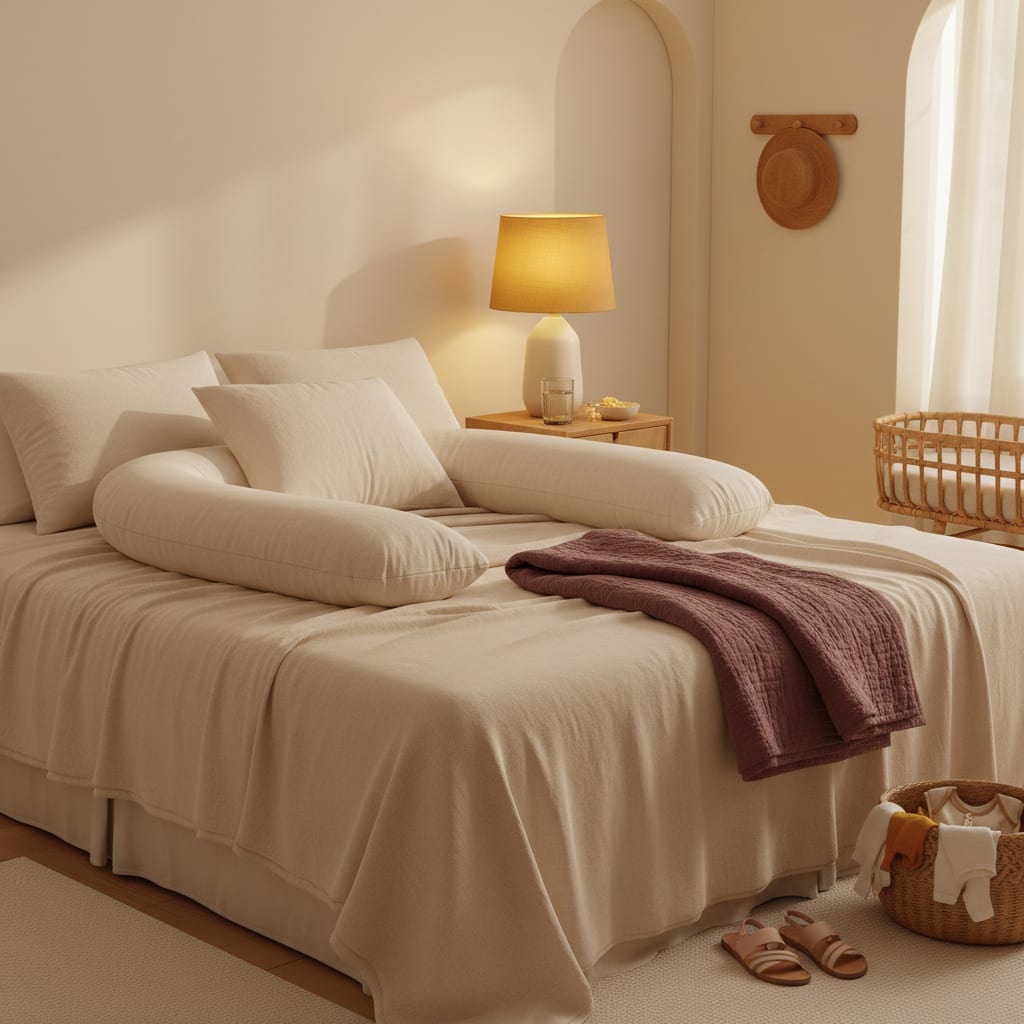
Plan the room around safe sleep first. Before you choose the colour, set up the crib or bassinet with a firm, flat, bare sleep surface. That’s covered in my post on setting up the sleep space. The walls are decor. The crib is the bit that matters.
When to ask a professional
- Your home was built before 1978 and the old paint is chipping, peeling or needs to come off.
- You paint for a living. MotherToBaby suggests talking to your workplace safety officer about a respirator that filters paint and thinner vapours.
- You had symptoms while painting, like headaches or nausea. MotherToBaby says poor ventilation over long periods can cause these. Stop, get fresh air, and mention it to your OB or midwife.
FAQ
Can I sleep in a freshly painted room while pregnant?
MotherToBaby suggests ventilating a painted room for two to three more days after painting, and limiting your time in it during that period. That’s a sensible rule for you too, not only the baby.
Is spray paint safe during pregnancy?
MotherToBaby’s fact sheet is about household wall paint, and it doesn’t cover spray paint separately. Since I can’t point you to a source, my advice is to hand that job to someone else.
Is it safe to be in the house while someone else paints?
The same ventilation advice applies. Keep the room you’re in well aired and away from the work. If the job involves old paint in a pre-1978 home, MotherToBaby advises staying away until the work is done and the area has been properly cleaned.