Sleeping in a Baby Helmet: The First Weeks, While Pregnant
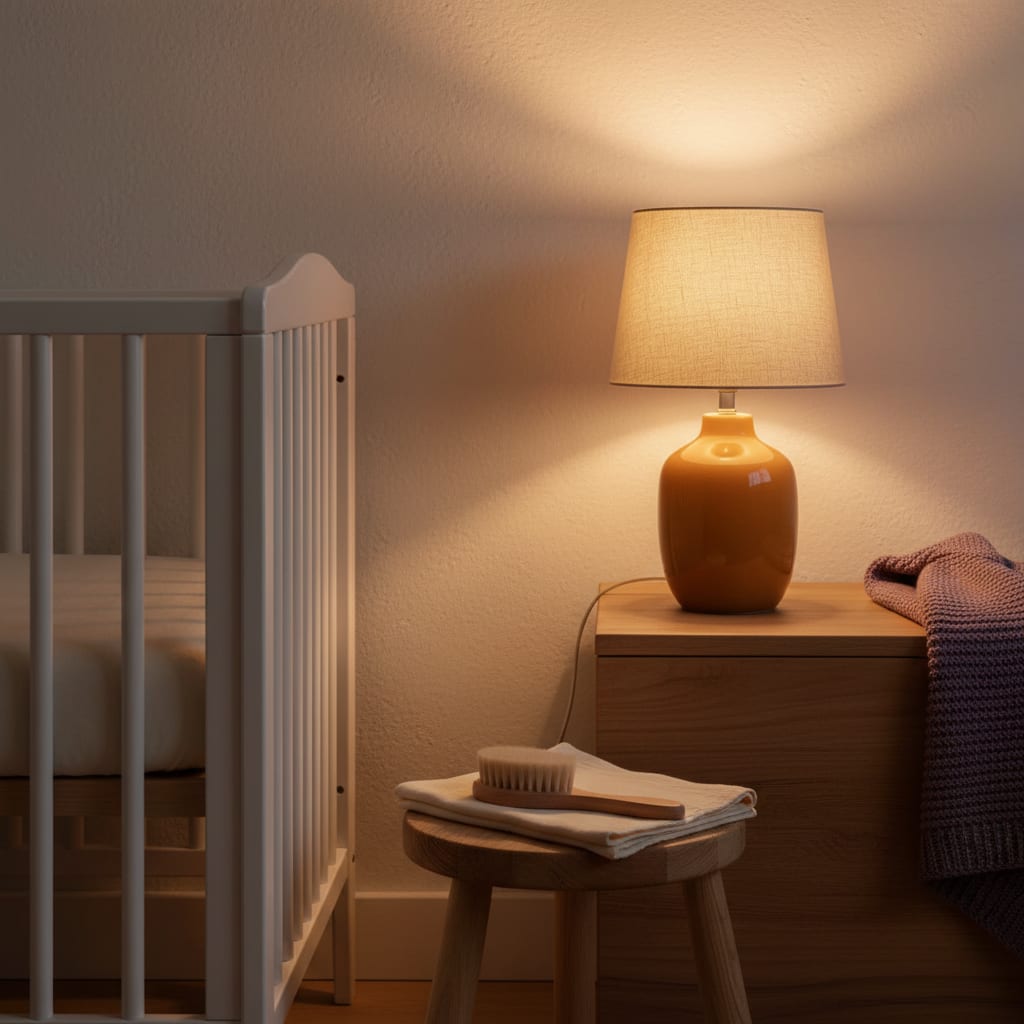
Yes, most babies in helmet therapy sleep in the helmet. The AAP’s baby helmet therapy FAQ says babies “usually wear their helmets for 23 hours each day”, and the hospital programs I read build up to that over a break-in of about five days, adding naps and nights partway through. What doesn’t change is how your baby sleeps: on their back, for every nap and every night, on a firm, flat surface. The first weeks are mostly about sweat, skin checks and a lot of appointments. If you’re pregnant again, that last part needs a plan.
Where this post stops
I’m pregnant with my second, and I’m not a doctor, a nurse or an orthotist. Your baby’s helmet schedule comes from the clinic that fitted it, and where their written instructions differ from anything here, theirs win. This post is about life with the helmet once it’s prescribed. If you’re still at the “is that a flat spot?” stage, Quirky Baby’s post on a flat spot on a baby’s head covers the awake-hours side.
Why a helmet, briefly
The AAP describes positional skull deformity as a change in skull shape “caused by pressure on the skull when an infant spends a lot of time in one position”. Mild cases may be handled with position changes or physical therapy; a helmet may be prescribed if the flattening is moderate or severe and hasn’t responded, or if the baby is older. The FAQ is also plain that it “does not affect a child’s brain development or cause any other medical condition.”
It isn’t an emergency, and it doesn’t mean you were wrong to put your baby on their back.
Back sleeping doesn’t change
NIH’s Safe to Sleep campaign, in its ways to reduce the risk of SIDS, says to place babies “on their backs to sleep for naps and at night”, and that “it is not safe to place babies on their sides or stomachs to sleep, not even for a nap.” The sleep surface should be firm, flat and level, “covered only with a fitted sheet”. Tilted surfaces are out too, because a baby’s head can slump forward and block their breathing.
Wedges and positioners are also out. The AAP’s page on back-sleeping concerns names parents who are “worried about flat heads” among those reaching for sleep positioners, and says: “it’s simply not a good idea.”
Safe to Sleep adds one exception that you’ll hit around helmet age: once babies can roll both ways on their own, “you can leave them in the position they choose after starting sleep on their back.”
The break-in week
Every program I read starts with short stretches and builds up. The exact days differ, which is why your own sheet is the one to follow:
- Children’s Healthcare of Atlanta’s cranial remolding program sheet describes a five-day break-in, then “23 hours a day”.
- Nicklaus Children’s cranial remodeling page lists 2 hours on and 1 off on day one, with naps but not nights. Nights start from day two, and full time (23 hours) arrives on day five.
- Gillette Children’s caregiver’s guide keeps the helmet off for naps and overnight for the first three days. From day four, your baby “can begin wearing the helmet during naps and overnight”. Once full time starts, “no break is needed during the night.”
So the first helmet night is a date you can see coming. Put it on the calendar, ideally on a night your partner is home.
Sweat and what your baby wears to bed
Expect a sweaty head at first. The Atlanta sheet says sweating “should decrease within the first 2 weeks”. Gillette says it “improves after 1–2 weeks”, and Nicklaus mentions “the first few days”. Nicklaus also says no powders or lotions on the head or the helmet.
Safe to Sleep says to dress your baby “in clothes suitable for the temperature of the room”. It lists the signs of a baby who is too hot: “sweating, flushing/red or hot skin, or baby’s chest feeling hot to the touch”. It also recommends a wearable blanket, rather than loose bedding, if your baby needs a layer. A thin cotton one like the HALO SleepSack does that job. Of those signs, a hot chest is the one a helmet doesn’t hide. If your baby seems hot, ask the orthotist rather than guessing.
Skin checks, and the fever rule
Checking skin becomes part of every break. The Gillette guide says redness from pressure “should disappear or fade to a light pink within 1 hour” after the helmet comes off. The Atlanta sheet says to call if you see redness that doesn’t fade after 60 minutes, “hard skin or calluses”, or “skin breakdown”. Nicklaus adds blisters or blood to that list and says to take the helmet off and call.
Fever is the other rule to know. Atlanta says to remove the helmet at 100.4°F or higher. Gillette’s line is 100°F, and it adds: “try to limit the time out of the orthosis to 48 hours or less.” Your clinic will give you its own number. Write it on the fridge.
A bedtime that includes the helmet
The helmet’s hour off has to go somewhere, and bath time is the natural spot. The programs agree that the helmet comes off for the bath and gets cleaned once a day. Atlanta says to use “only unscented rubbing alcohol” and make sure it’s “completely dry” before it goes back on. Nicklaus says to set it upside down to dry during the bath and to put it back on only when your baby’s head “is completely dry”.
So bedtime becomes: bath, skin check, dry hair, dry helmet, helmet on, sleep sack, down on their back.
Doing all of this while pregnant
Count the appointments. Atlanta books visits “about every 2 weeks” at the start. Gillette says every two to three weeks. Nicklaus sees babies aged 3 to 7 months weekly. Meanwhile your own visits go every two weeks from 28 weeks and weekly from 36 (my post on third trimester appointments has the schedule). Ask the orthotics clinic early for a regular slot you can keep, and share the driving where you can.
Map treatment against your due date. Atlanta says most babies wear the helmet for “about 3 to 5 months”, and the AAP says some need “a second helmet”. If treatment will run past your due date, decide now who takes the baby to fittings in the newborn weeks.
Hand off the bath-and-helmet routine. It’s a two-handed job and an obvious one for a partner. The bigger picture is in my post on preparing for two under two.
Keep the helmet out of a hot car, which Atlanta says can damage it, and away from pets.

And for the baby you’re carrying
You’ll do the same things with the new baby from day one. The AAP says to “alternate the direction your baby faces each time they lie on their back—both while asleep and when awake”, and to offer plenty of tummy time while they’re awake. Back sleeping stays exactly the same. If you want the numbers ready before the birth, Betteroo has a day-one tummy time starter plan that works up gradually from a few minutes, always awake and supervised.
None of that is a guarantee. If you’d like help shaping the older baby’s naps and nights around the helmet, Betteroo builds a sleep plan for your baby’s age. It’s a planning tool, about $20 a month, and it doesn’t replace the orthotist’s instructions.
FAQ
Do babies sleep in their flat-head helmet?
Usually, yes, once the break-in is done. The AAP says babies usually wear their helmets 23 hours a day. Each program adds naps and nights at its own point in the first week, so follow your clinic’s sheet.
Can my baby sleep on their side to keep weight off the flat spot?
No. Safe to Sleep says side or stomach sleeping is not safe, “not even for a nap”, and the AAP warns against sleep positioners for flat-head worries. Back to sleep, every time, with or without a helmet.
Will the helmet wreck my baby’s sleep?
The AAP says most children “quickly get used to” wearing one. Expect a few bumpy nights while the sweating settles.