Mastitis While Breastfeeding: Getting Through the Nights
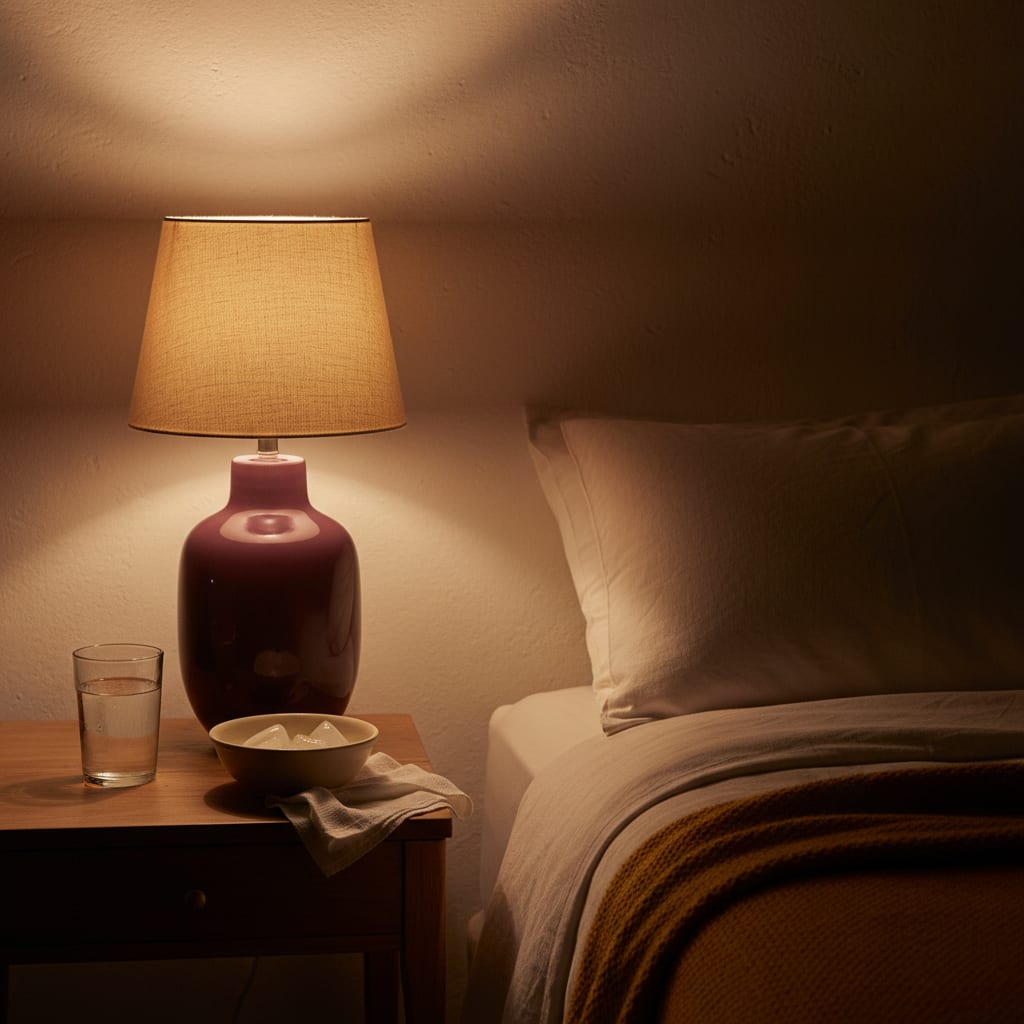
If you get mastitis while breastfeeding, keep feeding your baby as normal, from both sides. Use cold packs, not heat, and skip the deep massage and extra pumping. The Academy of Breastfeeding Medicine’s 2022 protocol changed the old advice: “do not aim to empty breasts”. Rest, too: La Leche League says to consider yourself sick. The nights are the hard part, because the fever and the feeds share the same hours. And call early. The AAP says to tell your doctor “right away”, and again if symptoms last more than 24 hours or get worse.
Where this post stops
I’m pregnant with my second, not a doctor, midwife or lactation consultant. This post doesn’t diagnose anything or tell you what to take. It covers current guidance, the nights, and what to set up before the baby comes. For feeding basics, Tales of a New Mom’s first week of breastfeeding is the place to start.
What mastitis looks like
The NHS describes mastitis as a breast that becomes “swollen, hot and painful”, usually on one side, and often fast. Signs include:
- a hot, painful area; redness “can be harder to see if you have black or brown skin”
- a wedge-shaped lump or hard area
- a burning pain, all the time or only during feeds
- aches, a high temperature, shivers and tiredness
The advice has changed. ABM’s Clinical Protocol #36, “The Mastitis Spectrum” treats blocked ducts, inflammation, infection and abscess as stages of one process, not separate problems. La Leche League rewrote its mastitis page around it in 2023, which is why older advice can be the opposite of what you hear now.
The new rules, and the old ones to drop
Keep feeding, normally. The ABM protocol says bacterial mastitis “does not pose a risk to the infant nor require an interruption in breastfeeding”. La Leche League calls the idea that nursing with mastitis is unhealthy for your baby “a myth”.
Don’t try to empty the breast. ABM says “Feed the infant on demand, and do not aim to empty breasts”, because overfeeding from the sore side or “pumping to empty” keeps the cycle going. The NHS says the same in plainer words: “do not express more milk than your baby needs.” If your baby won’t take the sore side, La Leche League suggests expressing just enough “to soften the breast to the point it usually feels after a feeding.”
Cold, not heat. ABM says ice can be applied “every hour or more frequently if desired”. The NHS suggests a cold compress “for 10 minutes every hour”. ACOG’s benign breast conditions FAQ still suggests warm compresses. ABM says heat “will vasodilate and may worsen symptoms”, though it may comfort some people. If you’re torn, ask your provider.
No deep massage. ABM: “Avoid deep massage of the lactating breast.” It says deep massage increases inflammation and swelling, and that aggressive massage is linked to abscesses. What it describes instead is closer to lymphatic drainage: a light sweep of the skin, not kneading a lump.
La Leche League’s list of treatments no longer recommended includes warm soaks, “vigorous, deep massage”, dangling over the baby, electric toothbrushes on the breast, and oils on the skin. If a friend swears by one, she’s remembering the old advice.
Why it so often starts at night
ABM notes that the pain and redness some people feel “in mornings after a long stretch of sleep” is swelling and inflammation, “rather than infection”. La Leche League also lists a baby who “starts sleeping longer at night” as a common trigger, along with teething, a stuffy nose or anything else that means fewer feeds.
So the first longer stretch of night sleep, the thing you’ve been hoping for, can be exactly when a breast gets too full.
Getting through the nights
A sore, feverish week still needs feeds around the clock. La Leche League suggests at least 8 to 12 feeds in 24 hours, and says a toddler or older child may feed less. Here’s how to make the nights survivable.
Hand the baby over, not the feeds. Your partner or helper brings the baby to you and takes them back afterwards, so you stay in bed. This is the main reason to line up your village before the birth: “can you do nights for three days if I get sick?” is much easier to ask in advance.
Have the cold ready. Keep two reusable packs in the freezer so one is always cold. Gel packs with soft covers, like the Lansinoh Breast Therapy Packs, are made for this. The NHS’s own example is simpler: a cloth soaked in cold water.
Change holds. La Leche League suggests changing positions to take pressure off different parts of the breast. If you’ve only used one hold, Betteroo has a rundown of the main feeding holds worth reading in daylight.
Watch the sofa. Fever and exhaustion make dozing off mid-feed more likely. Safe to Sleep’s breastfeeding page says to “think about how tired you are” before a feed, avoid couches and armchairs, and ask someone to stay with you or set a timer. If you fall asleep feeding in bed, put the baby back in their own sleep space, on their back, as soon as you wake.
Ask before you take anything. Pain relief while breastfeeding is a question for your provider or pharmacist, cold and flu products included. Some contain caffeine (see my post on caffeine while breastfeeding).

When to call, and when not to wait
Call your doctor, midwife or OB:
- when you first notice symptoms. The AAP’s mastitis page says “let your doctor know right away”.
- if it lasts more than 24 hours or gets worse (the AAP’s line). La Leche League says to call if you feel no better, or worse, after 24 to 48 hours, or if your fever reaches 101°F (38.4°C).
- if you’re on antibiotics and not improving. The AAP says to talk to your provider if you aren’t feeling better within 72 hours of starting them. Cleveland Clinic says worsening fever and swelling on antibiotics may need imaging to rule out an abscess.
- if you find a new lump or any change you can’t explain. Cleveland Clinic says “any type of breast change is a reason to call” your provider.
Getting worse fast? Cleveland Clinic says needing the ER for mastitis is rare, but if you’re worried about waiting, going in “may give you peace of mind”.
Antibiotics aren’t automatic now: ABM says to “reserve antibiotics for bacterial mastitis”. If you are prescribed them, the AAP says to finish the course, and that they “generally do not cause any problems for the nursing infant.”
Set it up before the baby comes
The prep is small and it pays off on a bad night:
- Save the after-hours number for your OB or midwife, and a lactation consultant or local La Leche League leader.
- Put two cold packs in the freezer in the third trimester and leave them there.
- Agree a sick-week plan with your partner or helper: who does night handovers, who takes the toddler, who cooks.
- Go easy on building a freezer stash. La Leche League lists frequent pumping for the freezer as a cause of inflammation.
- If you’re nursing an older child through this pregnancy, expect fewer, less predictable feeds. La Leche League says sudden changes in feeding patterns may contribute to inflammation. My post on nursing a 9-month-old while pregnant covers that situation.
For the bigger picture of nights and naps, Betteroo builds a sleep plan for your baby’s age. It costs about $20 a month. It’s a planning tool, not medical advice, and it won’t treat a sore breast.
FAQ
Can I keep breastfeeding with mastitis?
Yes. The AAP says your baby “will not be harmed by drinking your breast milk”, and ABM says breastfeeding doesn’t need to stop. If the sore side is too painful, the AAP suggests feeding from the other side and expressing only what your baby would normally take.
Should I use heat or ice for mastitis?
Current guidance from ABM and the NHS favours cold, and ABM says heat may worsen symptoms. ACOG’s FAQ still suggests warm compresses, so ask your provider if you’re unsure.
Is mastitis contagious to my baby?
No. La Leche League says mastitis “is not contagious”, and ABM says bacterial mastitis “does not pose a risk to the infant”.